Preparing for spring: Essential tips for commercial property managers in Arizona
By Keith Pomonis

(February 2, 2026) — As spring approaches in Arizona, commercial property managers face the unique challenge of preparing their properties for the seasonal changes that can impact both the infrastructure and tenant experience. With the potential for rapid temperature fluctuations and the onset of the monsoon season, early preparation is crucial to safeguard properties, ensure tenant satisfaction, and optimize performance.

1. Conduct Comprehensive Inspections

The first step in spring preparation is to conduct thorough inspections of the property. Focus on the roof, HVAC systems, plumbing, and landscaping. Inspect roofs for wear and tear, checking for damaged shingles or signs of leaks. HVAC systems should be serviced to ensure optimal performance as temperatures rise. This not only enhances energy efficiency but also maintains indoor air quality for tenants.

2. Landscape Maintenance

Arizona’s unique climate demands ongoing landscape care, especially as spring brings blooming plants and increased growth. Property managers should assess irrigation systems to ensure they are functioning correctly and efficiently. Regularly check for blockages or leaks in irrigation lines that could lead to water waste and increased utility costs.

Trimming overgrown bushes and trees is also essential to prevent damage during monsoon storms. Ensuring that trees are properly maintained minimizes the risk of falling branches, which can cause significant damage to buildings and vehicles.

3. Prepare for Monsoon Season

With spring setting the stage for the impending monsoon season, it’s crucial for commercial property managers to proactively prepare for potential flooding and storm damage. Inspect drainage systems, including gutters, downspouts, and retention basins, to ensure they are clear of debris and functioning optimally.

Consider implementing a flood preparedness plan, which includes emergency contact information for restoration services and a clear protocol for informing tenants about safety measures during storms. Investing in flood barriers or sandbags can also be a prudent measure for properties in low-lying areas.

4. Tenant Communication and Engagement

Effective communication with tenants is key during this transitional period. Schedule meetings or send out newsletters to inform them about upcoming maintenance work,

property improvements, and safety measures related to severe weather. Providing tenants with information on how to prepare for monsoon season can empower them to take responsibility for their spaces, fostering a collaborative environment.

Engaging with tenants to gather feedback on their experiences can also help identify areas for improvement. Consider setting up a suggestion box or digital survey to encourage open communication.

5. Safety and Compliance

Spring is an excellent time to review safety protocols and compliance with local regulations. Ensure that fire safety equipment is inspected and compliant, and that emergency exits are clearly marked and accessible. Review your property’s emergency response plan, providing training for staff on procedures in the event of a storm or other emergencies.

As spring blooms in Arizona, proactive preparation is essential for commercial property managers to minimize risks and enhance tenant satisfaction. These actions not only protect the property but also contribute to a positive tenant experience, ultimately supporting the long-term value of the commercial asset. In a competitive real estate market, diligence and foresight are invaluable in achieving operational success.

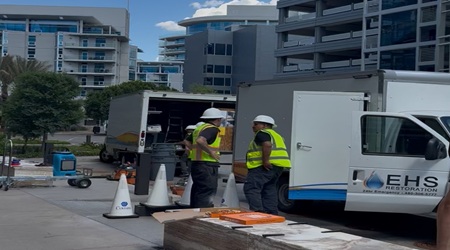
Keith Pomonis is the President of Mesa-based EHS Restoration. For more information, call (480) 306-5777 or visit ehsrestoration.com.



CBRE Advises on Sale and Financing of Dignity Health-Anchored MOB in Phoenix

Dignity Health

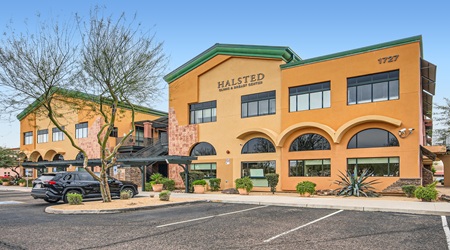
Phoenix (January 30, 2026) – CBRE facilitated the sale and financing of Halsted Medical Plaza, a 28,069-square-foot medical outpatient building (MOB) located at 1725-1727 W. Frye Road in Chandler, Arizona, to Coast Income Properties, Inc.

Chris Bodnar, Brannan Knott, and Cole Reethof of CBRE U.S. Healthcare Capital Markets group partnered with Philip Wurth of CBRE’s Phoenix Healthcare Leasing team to act as the exclusive advisors to the seller. Additionally, Zack Holderman and Jesse Greshin of CBRE’s U.S. Healthcare Debt & Structured Finance team, along with Amber Coleman from CBRE’s Phoenix Office, arranged the bank acquisition financing for the purchaser.

Halsted Medical Plaza, constructed in 2008, sits directly adjacent to Chandler Regional Medical Center (CRMC), a regionally dominant hospital with a 34% acute care market share within a 10-mile radius. CRMC has demonstrated strong growth, completing its second major expansion in 2021 by adding 96 beds and 1,100 parking spaces. Halsted Medical Plaza is anchored by Dignity Health, an affiliate of CommonSpirit Health, which performs high-acuity services and recently expanded its premises to offer fetal diagnostics.

“Dignity Health continues its rapid expansion within the city of Chandler to capitalize on its large and affluent patient base,” said Bodnar, CBRE’s Vice Chairman of the U.S. Healthcare Capital Markets practice. “This is a great acquisition for the purchaser, which will provide predictable cash flow with potential for continued growth by Dignity Health in the market.”

Located less than a mile east of Loop 101 and north of the 202 Freeways, Halsted Medical Plaza is accessible to a population of 285,729 in Chandler with a median household income of $107,339, which is 23% higher than the Phoenix MSA and 36% higher than the national median.  Chandler also benefits from growing and diverse economic activity. Phoenix continues to maintain its title as one of the fastest-growing MSAs in the country with an estimated 4.9% growth by 2029, more than 2.5x the national average.


Tech Park Leader Carol Stewart Elected to Tucson Airport Authority Board

Carol Stewart

TUCSON, Ariz. (January 30, 2026) – Carol Stewart, Vice President, University of Arizona and CEO of UA Tech Parks and President of the UA Center for Innovation has been elected to the Tucson Airport Authority (TAA) Board of Directors during the organization’s annual meeting on January 26, 2026. This volunteer appointment reflects Stewart’s distinguished leadership and her contributions to advancing community and economic initiatives.

The TAA operates as a unique, independent nonprofit founded in 1948 by community business leaders and authorized through an Arizona state charter. TAA is responsible for operating Tucson International Airport and Ryan Airfield while leading strategic initiatives that drive regional economic prosperity. TAA’s economic impact reaches well beyond airport operations. In its most recent analysis, the authority reported:

  • 18,804 direct jobs generated through airport operations and capital improvement projects
  • $1.8 billion in direct wages and $7.5 billion in direct economic output
  • Visitor spending that created an additional 9,674 direct jobs, $349.8 million in wages, and $936.9 million in direct economic activity
  • Indirect and induced economic impacts account for 13,535 jobs, $802.2 million in wages, and $2.5 billion in economic output

Together, the operations of the TAA, onsite businesses, military activity, and visitor spending generate an impressive 42,012 jobs, $2.9 billion in wages, and $10.9 billion in total economic output for Southern Arizona.

“On behalf of the Tucson Airport Authority and our Board of Directors, we are delighted to welcome Carol Stewart as our newest Board member. Carol brings a valuable and unique perspective that will complement our strong and dedicated Board of Directors. We take great pride in championing innovation and growth to best serve the Southern Arizona community, and we look forward to the expertise she will contribute,” expressed Danette Bewley, TAA President/CEO.

Stewart’s appointment brings to the board her extensive leadership in innovation ecosystems, regional economic development and community-focused partnerships. As the leader of Tech Parks Arizona, which is home to more than 100 companies and over 6,000 knowledge workers, Stewart has played a pivotal role in connecting industry, government, and higher education to advance technology commercialization and drive sustainable economic growth.

“I am honored to join the Tucson Airport Authority Board and contribute to an organization that plays such a vital role in our region’s economic strength,” said Stewart. “Airports are powerful engines of opportunity. I look forward to supporting TAA’s continued work in shaping the future of transportation, business attraction and long-term competitiveness for Southern Arizona.”

With Stewart joining the TAA Board, Southern Arizona gains a dedicated advocate whose leadership strengthens the region’s momentum in innovation and economic development. Her election underscores the value of experienced, visionary leadership in advancing one of Arizona’s most impactful economic engines. By bringing expertise in corporate engagement and regional development, she will help drive TAA’s strategic priorities and further expand its role in shaping Southern Arizona’s economic landscape.