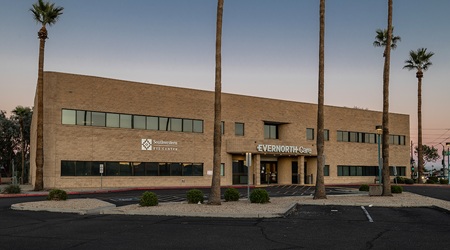
Top 3 Arizona cities for snowbirds
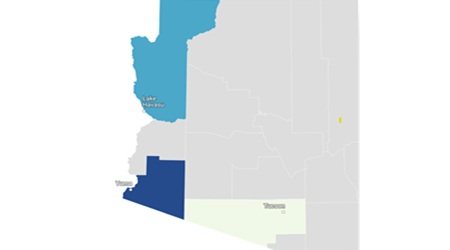
TUCSON, AZ (Oct. 13, 2026) –  As seasonal residents return to Arizona’s RV communities, neighborhoods, restaurants and shops, a new StorageCafe study identifies Yuma, Lake Havasu City and Tucson as the state’s leading snowbird destinations.

The study compared 472 U.S. cities based on winter weather, seasonal housing, costs, healthcare and everyday amenities. Six Arizona cities placed in the national top 100, with Yuma leading the state at No. 13. Bullhead City, Mesa and Casa Grande also made the list.

Arizona offers winter visitors dry air, abundant sunshine and desert scenery, along with established seasonal communities, golf and outdoor recreation. Its top three destinations offer different versions of that lifestyle, from Yuma’s RV communities to Lake Havasu City’s waterfront and Tucson’s urban amenities.

Yuma Leads Arizona

Yuma’s average temperature from October through March is approximately 64 degrees, while sunshine reaches the ground during about 90% of daylight hours. Those conditions make it appealing to winter visitors seeking warmth without the humidity associated with many Florida destinations.

Approximately 58% of Yuma’s vacant housing units are designated for seasonal use, reflecting its established winter population. Yuma ranks 13th in the top 100 destinations and also ranked 16th for affordability among the study’s top 100 cities.

The city’s seasonal and RV communities provide a ready social network for returning visitors. The Colorado River, nearby desert trails and Imperial Sand Dunes offer outdoor activities throughout the winter.

Lake Havasu City Offers Waterfront Living

Lake Havasu City combines Arizona’s dry, sunny winters with boating, fishing and waterfront recreation. Its London Bridge anchors an area of restaurants, shops and walking paths, while golf courses and surrounding desert trails expand the options beyond the lake.

The city ranks eighth for air quality among the communities studied. Roughly three-quarters of its vacant housing units are designated for seasonal use, underscoring the importance of winter residents to the local market and ranked 32nd in the top 100 destinations.

For snowbirds who want both desert sunshine and access to the water, Lake Havasu City offers a distinctive winter base.

Tucson Combines Desert Recreation and City Amenities

Tucson offers mild, generally dry winters alongside major healthcare facilities, restaurants, arts and cultural attractions. The Sonoran Desert and surrounding mountains provide easy access to hiking and outdoor recreation, with Saguaro National Park flanking the city to the east and west and ranked 61st in the top 100 destinations.

Approximately 19% of Tucson’s vacant housing units are designated for seasonal use, a smaller share than in Yuma or Lake Havasu City. However, the study found housing costs significantly lower in Tucson than in Lake Havasu City.

Golf, the University of Arizona and Tucson’s UNESCO-recognized food culture give seasonal residents reasons to explore throughout their stay. For visitors seeking a winter destination with a broader range of services and activities, Tucson combines desert living with the resources of a larger city.

Seasonal Residents Support Local Business

The annual return of snowbirds brings recurring demand for housing, dining, shopping and services across Arizona.

“More than 40 million retirees and remote workers in colder states may have the flexibility to spend part of winter somewhere warmer. In Arizona, a stay of several months can bring recurring business to restaurants, shops and services, including self storage. For around $114 per month, returning snowbirds can leave winter clothes and gear here instead of hauling everything back and forth,” said Victor Maghear, Consumer Trends & Market Analyst at StorageCafe.

For Arizona’s real estate and business communities, the findings highlight the different combinations of housing, recreation and services that attract seasonal residents—and help bring them back each winter.

See the full report here: America’s Best Snowbird Destinations, 2026-2027


Indoor Pickleball Chain Files Bankruptcy as Lease Guarantees Strain Expansion

Pickleball

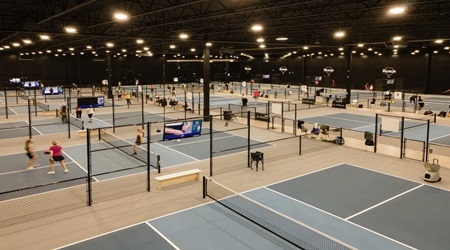
Oro Valley, AZ (October 13, 2026) — The Picklr, an indoor pickleball franchise brand that has expanded into Arizona, has filed for Chapter 11 bankruptcy protection as it seeks to restructure financial obligations tied to its rapid growth, including corporate guarantees on franchise facility leases.

The filing comes shortly after The Picklr opened a location at Oro Valley Marketplace last year, bringing the expanding indoor pickleball brand to Southern Arizona. The company says clubs will continue operating normally during the restructuring; no closure of the Oro Valley location has been announced.

Picklr, Inc. filed a voluntary petition under Subchapter V of Chapter 11 on October 9, 2026, in the U.S. Bankruptcy Court for the Northern District of Texas. The case, numbered 26-34687, is assigned to Judge Scott W. Everett.

In an October 10 announcement, the company said an investor group led by one of its franchisees had committed $4.5 million in financing, subject to court approval. The Picklr said its clubs and independently owned franchise locations would continue operating normally during the restructuring.

The filing brings attention to the real estate obligations behind the company’s expansion. Founder and CEO Jorge Barragan told Sports Business Journal that approximately 40 locations had lease arrangements backed by corporate guarantees. Those commitments became a financial burden for the parent company.

The Picklr hopes to use the restructuring process to negotiate with landlords and improve the financial position of its franchise network. Barragan also indicated that some contraction could occur as the business adjusts, although the company said no locations would close as a direct result of the filing.

Founded in 2021, The Picklr began franchising in 2023 and has grown to more than 70 domestic locations, with an international presence as well. Its Arizona expansion was announced in 2023 through agreements contemplating as many as six facilities across metro Phoenix and other parts of the state.

For commercial property owners, the case highlights the importance of distinguishing between a franchise tenant’s lease obligations and guarantees provided by an affiliated company. The Picklr’s restructuring centers in part on those corporate guarantees, making the proceedings relevant to landlords evaluating the credit support behind their leases.

Sports Business Journal reported that financial statements included in the company’s franchise disclosure document showed a $4.4 million net loss on $10.3 million in revenue in 2025.

The scope of the bankruptcy proceedings warrants attention. Although initial coverage described the filing as involving the parent holding company and excluding operating subsidiaries, the official restructuring docket also lists a separate October 10 Chapter 11 petition by Picklr Clubs, Inc., under case number 26-34690.

The available announcements do not establish that any Arizona location is closing or that a particular Arizona lease will be renegotiated. Those questions will depend on the entities involved, individual lease arrangements and the course of the restructuring.

Court documents are available through the company’s restructuring website at https://cases.omniagentsolutions.com/?clientId=3812.


CBRE Facilitates $12.8 Million Sale of Three-Building Medical Office Portfolio in Greater Phoenix

Medical OfficePortfolio totals 98,477 square feet across Phoenix, Glendale and Chandler

PHOENIX (Oct. 9, 2026) – CBRE facilitated the $12.8 million sale of a three-building medical office portfolio totaling 98,477 square feet in the Phoenix Metro area. Geoffrey Turbow, Emily Minnier, Brian Butler and W. Glenn Dyke of CBRE represented the seller, a national healthcare company, across the three transactions.

The portfolio consists of the following properties:

  • 5891 W. Eugie Ave. in Glendale, a 35,845-square-foot, two-story medical office building;
  • 2302 N. 75th Ave. in Phoenix, a 44,000-square-foot, two-story medical office building; and
  • 1717 W. Chandler Blvd. in Chandler, an 18,632-square-foot, single-story medical office building.

MCR Companies, a real estate and private equity investment company completing a 1031 exchange, acquired the properties in Glendale and Chandler. Empower College Prep purchased the asset in Phoenix with the intention of occupying the premises.

“This portfolio presented a rare opportunity to acquire institutionally improved medical office assets across three of Phoenix’s most established health care corridors,” said Geoffrey Turbow, senior vice president with CBRE. “The level of buyer interest generated, from medical investors to owner-users, validated both the quality of these assets and the strength of the Greater Phoenix market. We’re proud to have delivered a seamless, full-portfolio outcome for our client.”

All three buildings are positioned near flagship health system campuses in their respective submarkets: Banner Thunderbird Medical Center in Glendale, Banner Estrella Medical Center in Phoenix, and Dignity Health Chandler Regional Medical Center in Chandler.

The portfolio includes a mix of vacant and partially leased space, adaptable clinical layouts and parking intended to accommodate medical office uses. The three properties span approximately 9.3 acres.

According to CBRE Research, U.S. medical outpatient building investment volume increased 24% year over year in the second quarter of 2026 to $2.7 billion. Average asking rents reached a record $25.46 per square foot, while the sector recorded its fifth consecutive quarter of positive net absorption.