250 Years of Independence, and a Few Smart Rules for Lighting Up the Sky from EHS Restoration

EHS RestorationBy Keith Pomonis – Celebrating 250 Years of Independence with tips from EHS Restoration.

(June 3, 2026) — This July 4th, the United States is hitting a massive milestone: its semiquincentennial, marking 250 years since the signing of the Declaration of Independence. A quarter-millennium is a huge deal, and backyards from coast to coast are gearing up for unforgettable celebrations.

For safe celebrations, take cues from EHS Restoration to ensure your festivities are enjoyable and incident-free.

But while the patriotism is high and the urge to light up the night sky is strong, nobody wants their neighborhood block party to end with a visit from the fire department.

When the Founding Fathers signed the paperwork in 1776, John Adams famously wrote that the holiday should be celebrated with “bonfires and illuminations.” Interestingly enough, July 4th wasn’t actually declared a federal holiday until 1870, nearly a century later. Another fun historical twist?

Both Thomas Jefferson and John Adams died on July 4th, 1826, exactly 50 years after signing the Declaration. It seems history loves a dramatic anniversary as much as we love a great fireworks show.

To keep the 250th anniversary memorable for the right reasons, a few down-to-earth safety rules are essential. The easiest option is to leave it to the pros. Cities across the country are putting together unprecedented, massive public displays for this milestone. If you do decide to host a DIY show at home, a little common sense goes a long way.

First, keep the drinks and the lighter fluid strictly separate. Lighting explosives requires sharp reflexes and clear judgment. If adult beverages are a part of your gathering, pick a designated “pyrotechnic captain” who stays completely sober to handle the fuses.

Second, don’t underestimate sparklers. They are often handed out to kids like oversized glowing toothpicks, but they actually burn at temperatures between 1,200 and 2,000 degrees Fahrenheit. That is hot enough to melt glass and gold. Always keep an eye on kids, and make sure spent sparklers go straight into a bucket of water instead of the dry grass.

Third, create a solid safety zone. Always set up on flat, hard, non-flammable ground like concrete, and keep spectators back at a safe distance. If a firework fails to go off, never sneak back up to try and relight it. That “dud” is a ticking clock; give it 20 minutes, then use a shovel to drop it into a bucket of water.

Finally, remember to look up your local ordinances. Many municipalities have strict bans or limitations on consumer fireworks, especially during dry seasons when the threat of wildfires is high.

The 250th Fourth of July is a once-in-a-lifetime celebration. By taking a few quick safety steps and keeping a garden hose nearby, we can ensure the holiday stays historic, spectacular, and completely injury-free.

Have a happy and safe semiquincentennial.

Keith Pomonis is the President of Mesa-based EHS Restoration. For more information call (480) 306-5777 or visit ehsrestoration.com.


Berkshire Hathaway to Acquire Scottsdale-Based Taylor Morrison in $8.5 Billion Deal

Taylor Morrison
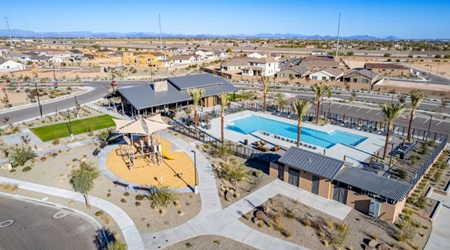
Taylor Morrison Community in Surprise, AZ

SCOTTSDALE, AZ (June 2, 2026) — Berkshire Hathaway Inc. has agreed to acquire Scottsdale-based Taylor Morrison Home Corporation in an all-cash transaction valued at approximately $8.5 billion, including debt, marking a major housing-sector acquisition and a significant deal for one of Arizona’s largest publicly traded homebuilders.

Under the definitive agreement announced May 31, Berkshire Hathaway will acquire Taylor Morrison for $72.50 per share in cash, representing a total equity value of approximately $6.8 billion and an enterprise value of approximately $8.5 billion. The purchase price represents a 24% premium to Taylor Morrison’s May 29 closing price of $58.50 per share.

Taylor Morrison is one of the nation’s largest homebuilders and is headquartered in Scottsdale. The company builds homes under the Taylor Morrison, Esplanade, and Yardly brands, operates in 21 markets across 12 states, and provides related mortgage, title, escrow, and homeowners insurance services.

The transaction is expected to close in the second half of 2026, subject to Taylor Morrison stockholder approval, required regulatory approvals, and other customary closing conditions. Upon completion, Taylor Morrison will become a private company and its common stock will no longer trade on the New York Stock Exchange.

Taylor Morrison Chairman and CEO Sheryl Palmer is expected to continue leading the company after the acquisition, along with the company’s existing management team. Berkshire Hathaway said Taylor Morrison will join its housing-related platform, which already includes Clayton Homes and other residential construction, materials, and real estate businesses.

“Joining Berkshire Hathaway is a once-in-a-lifetime opportunity to propel Taylor Morrison into its next, and most exciting, chapter, supported by Berkshire’s unmatched capital strength and long-term investment philosophy,” Palmer said in the company announcement.

The acquisition is notable nationally as one of the first major deals under Berkshire Hathaway Chief Executive Greg Abel, who succeeded Warren Buffett as CEO. Reuters reported the acquisition expands Berkshire’s already significant exposure to housing through businesses such as Clayton Homes, Acme Brick, and Johns Manville.

For Arizona, the deal carries additional significance because Taylor Morrison is based in Scottsdale and has long been active in the state’s residential growth corridors. The company’s Arizona activity has included master-planned communities, production homebuilding, land acquisitions, and build-to-rent activity through its Yardly platform.

The deal also comes at a time when housing affordability, land supply, mortgage rates, and institutional capital are shaping housing markets across Arizona. Homebuilders have remained active in high-growth markets such as metro Phoenix, Pinal County, and parts of Southern Arizona, even as buyers face affordability challenges tied to elevated interest rates and construction costs.

For Southern Arizona, the acquisition is another sign of continued national capital interest in the homebuilding sector. While Taylor Morrison’s Arizona headquarters and larger community footprint are concentrated in the Phoenix area, Berkshire Hathaway’s purchase of a major Scottsdale-based builder underscores the strategic value national investors see in housing, land pipelines, and long-term residential demand across the Sun Belt.

The transaction is expected to be funded with Berkshire Hathaway cash. Taylor Morrison said no changes are expected to its customer-facing commitments, and the company will continue operating under its current leadership following the closing.


Raytheon’s First Javelin Lightweight Command Launch Units delivered to the U.S. Army

RaytheonContinued Raytheon investment in Tucson will increase annual production

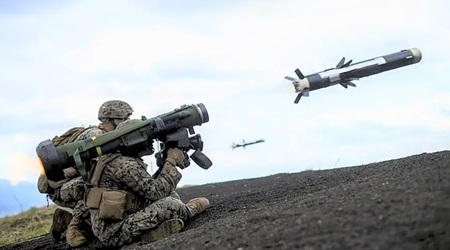
TUCSON, Ariz., (June 2, 2026)  — The Javelin Joint Venture (JJV), a partnership between Raytheon, an RTX (NYSE: RTX) business, and Lockheed Martin, has delivered the first Lightweight Command Launch Units (LWCLU) to the U.S. Army. The LWCLU, a next-generation launcher for the Javelin® weapon system, is designed to be adaptable and compatible with all current, past, and future Javelin variants. The launcher is replacing the weapon system’s legacy command launch unit.

To date, Raytheon has invested $22 million to modernize the LWCLU factory to increase production speed and expand capacity. In collaboration with the U.S. Army, the facility in Tucson, Ariz., is ramping up annual production.

“Delivering the first LWCLUs to the U.S. Army reflects the Javelin Joint Venture’s commitment to continuously advancing technology for service members,” said Jenna Hunt Frazier, JJV president and Javelin program director at Raytheon. “Our investments in modernization and production capacity ensure soldiers receive this cutting-edge capability faster.”

The Javelin LWCLU provides soldiers with twice the target detection and recognition range while reducing size by 30% and weight by 25%. The LWCLU maximizes surveillance for soldiers, offering day-and-night engagement capability.

“The production and delivery of the LWCLU marks a pivotal step in modernizing the Javelin system for today’s warfighter,” said Rich Liccion, JJV vice president and Lockheed Martin Javelin program director. “Its innovative design enhances mobility and survivability while preserving the precision firepower that users rely on.”

Javelin is developed and produced by a joint venture between Raytheon in Tucson, Arizona, and Lockheed Martin in Orlando, Florida.

Raytheon, an RTX business, is a major defense technology company with a significant Tucson presence and a long history of supporting the U.S. government, allies and partners in defending national sovereignty and security. For more than 100 years, Raytheon has developed new technologies and enhanced existing capabilities in integrated air and missile defense, smart weapons, missiles, advanced sensors and radars, interceptors, space-based systems, hypersonics, and missile defense across land, air, sea, and space. Its Tucson operations are especially important to the company’s missile and defense systems work, making Raytheon one of Southern Arizona’s most significant employers in advanced manufacturing and the defense sector.