Copper World State Land Sale Heads to Auction Under Protest
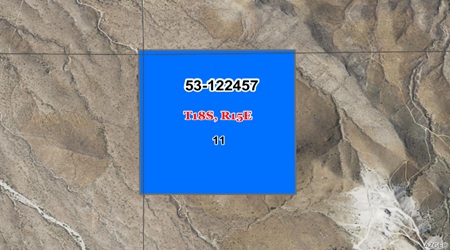
TUCSON, AZ (March 18, 2026) — A proposed 160-acre Arizona State Trust land sale tied to Copper World’s planned mining operation in the Santa Rita Mountains is drawing renewed scrutiny ahead of a public auction scheduled for April 29, 2026. The parcel is being pursued for the disposal of mine tailings, and the Arizona State Land Department is moving forward with the sale following earlier administrative approval.
New detail in the public record comes from a February 6, 2026, memo from Pima County Administrator Jan Lesher to the Board of Supervisors, titled “Update on State Land Auction for Proposed Copper World Mine.” In that memo, Lesher wrote that State Land Commissioner Robyn Sahid notified the county that the state was proceeding with the auction, with required public notices to follow, and said the county remained concerned that moving ahead before completion of Copper World’s final feasibility study could facilitate development of the proposed mine. Lesher also urged Gov. Katie Hobbs to defer the sale until that study is completed and reviewed.
The February memo builds on an earlier September 11, 2025, memo from Lesher to the Board, in which she told supervisors that the State Land Department’s Board of Appeals had approved the sale of 160 acres of State Trust land to Copper World, Inc. for mine tailings. In that letter, Lesher said Pima County opposed the sale and reiterated concerns about groundwater use, impacts on surrounding residential areas, and the loss of natural and cultural resources.
The land sale has become a flashpoint because opponents argue the parcel is more than a routine state land disposition. Pima County, the Tohono O’odham Nation, and environmental groups have objected, saying the tract could play a strategic role in the long-term buildout of the mine and should be evaluated in that broader context. Recent challenges to the auction have also argued that the land has been undervalued and that the transaction carries implications beyond the 160 acres itself.
State officials have framed the issue differently. According to recent reports, the state’s position is that the sale would generate revenue for State Trust beneficiaries, including schools, and allow tailings to be placed farther from nearby homes and schools than at another possible location. Hobbs’ office has said the mine would move forward with or without the auction and described the sale as the state’s best available option for balancing trust obligations with impacts on nearby communities.
“The reality is that this mine was going to move forward with or without this state land auction,” a spokesperson for Hobbs’ office said. “This project has been in motion for decades and, because it is primarily on private land, will proceed with or without the state’s involvement, but we are committed to ensuring the mine is a responsible neighbor and invests in surrounding communities.”
The debate also highlights the difference between historic and modern mining. Earlier mining operations often faced fewer requirements for waste containment, water protection, and reclamation, while modern projects such as Copper World are typically shaped by engineered tailings facilities, detailed feasibility work, extensive permitting, environmental monitoring, long-lead infrastructure planning, and closer scrutiny of community impacts.
Copper World is being designed under modern mining standards, including engineered tailings storage, detailed feasibility work, long-lead infrastructure planning, and today’s permitting and environmental review requirements.
The proposed sale is not yet a closed transaction. It remains an auction process, and opponents are still trying to stop or delay it before the April 29 sale date. For Southern Arizona, the dispute sits at the intersection of land use, public-land trust policy, mining economics, and regional growth management, making it both a consequential public-land decision and a mining story.