Picor Handles the Sale of 46-Units in 3 Multifamily Properties in Tucson for February
 TUCSON, ARIZONA — The pandemic has put a lot of strain on the housing market. Home purchase prices are now more expensive than ever, and Tucson has a shortage of inventory that makes it tough to find a single or multifamily home at any price.
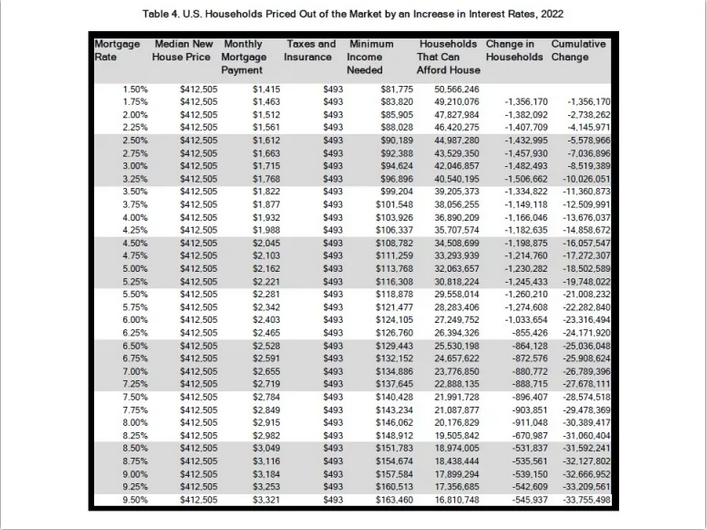
Most people anticipated that there would be a greater demand for rental housing as it became more difficult to buy single-family homes. The recent NAHB 2022 Priced-Out Estimates shows that 87.5 million households are not able to afford a median priced new home, and that an additional 117,932 households would be priced out of the new home market if the price goes up by $1,000. These factors have led to a surge in demand for multifamily product.
What has surprised some people is not that apartment rents rose, but by how much they have risen. Many anticipated rents rising, but maybe not to this extreme.
In this month’s Tucson Rent Report, Apartment List is reporting Tucson rents increased another 0.6% month-over-month, a 22 month increase. Month-over-month growth in Tucson ranks #44 among the nation’s 100 largest cities. Year-over-year rent growth in Tucson currently stands at 21.7%, compared to 7.8% at this time last year. Year-over-year growth in Tucson ranks #23 among the nation’s 100 largest cities. Rents in Tucson are up by 30.4% since the start of the pandemic in March 2020. Median rents in Tucson currently stand at $1,020 for a 1-bedroom apartment and $1,363 for a two-bedroom.
As long as this trend continues multifamily housing can be expected to stay in high demand. As rents have increased sharply in Tucson, a few comparable cities have seen rents grow more modestly. Tucson is still more affordable than most similar cities across the country. Tucson’s median two-bedroom rent of $1,363 is above the national average of $1,294. Nationwide, rents have grown by 17.6% over the past year compared to the 21.7% increase in Tucson.
Of the 13 multifamily properties sold in Tucson for February, Cushman & Wakefield | PICOR handled the sale of three of these transactions with 46-units and an aggregate value of $4.23 million.
- Tucson 28 LLC, purchased 17,647-square-feet of multifamily space located at 3050 N. 2nd Ave. in Tucson. La Paloma Apartments, a 28-unit property was purchased from Gould Family Properties VIII, LLC, for $2.5 million ($89,286 per unit). Built in 1981, the value-add property was sold on a price per unit basis with below market rent rates. The four, two-story apartment buildings, have one- and two-bedroom units with a pool.
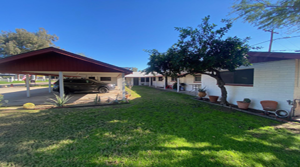
- Elvira Apartments, LLC, purchased Elvira Duplexes, 7,080-square-feet of multifamily space located at 335 E. Elvira Rd., in Tucson. Built in 2005, the 6-unit apartment property was purchased from Clear Value Investments II, LLC, for $865,000 ($144,166 per unit).
- Elvira Apartments, LLC, purchased 9,127-square-feet of multifamily space consisting of 10 apartment units and 2 single-family residences. Built in 1953, Elvira Apartments, located at 320-326 E. Elvira Rd., in Tucson, was purchased from Monteer Properties, LLC, for $865,000 ($72,083 per unit).
Allan Mendelsberg, Principal, and Conrad Joey Martinez, Multifamily Specialists with Cushman & Wakefield | PICOR, represented both parties in these transactions.
For more information, Mendelsberg and Martinez should be reached at 520.748.7100.
To learn more, see RED Comps #9621, #9639 and #9640
 PHOENIX, ARIZONA –
  New NAHB