University of Arizona Breaks Ground on $250 Million Catalina Residence Hall
The Catalina will offer 1,300 rooms for students attending the University of Arizona for Fall 2028
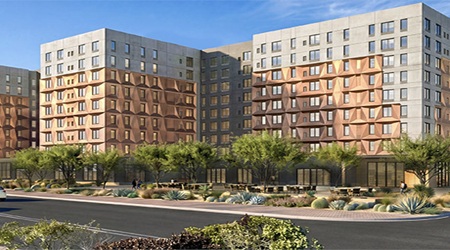
TUCSON, AZ (July 23, 2026) — The University of Arizona and its development partners have broken ground on The Catalina, a nine-story, suite-style residence hall that will add more than 1,300 beds at the northwest corner of Speedway Boulevard and Campbell Avenue in Tucson.
The development is planned on approximately 3 acres, including the former Palm Shadows Apartments property and adjacent university-owned land. Completion is scheduled for fall 2028.
Previously released Arizona Board of Regents documents placed the project’s total development cost at up to $250 million, including approximately $145 million in direct construction costs.
Mortenson Development is leading the project, with Mortenson providing development, design and construction services. Gensler prepared the architectural renderings. The project also includes a dining hall, student programming space and support services intended to create a living-learning environment for first-year students.
Collegiate Housing Foundation will finance, own and operate the residence hall under a long-term ground lease with the university. Tax-exempt financing is being arranged in partnership with RBC Capital Markets and is expected to be repaid through residence-hall revenues, leaving the university without a direct debt obligation.
The Catalina will help accommodate the university’s new expectation that first-time, full-time freshmen live on campus beginning in fall 2026, subject to exemptions for students living within 30 miles of campus and those facing qualifying hardships or other circumstances.
University of Arizona President Suresh Garimella said students who live on campus for at least one year have a 50% higher four-year graduation rate than students who never live on campus.
Mountainside Fitness Purchases Vistancia Land Site for New Arizona Location
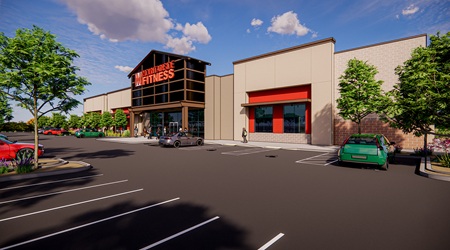
Mountainside Fitness rendering
Major fitness center takes first position in FIVE NORTH at VISTANCIA commercial retail area
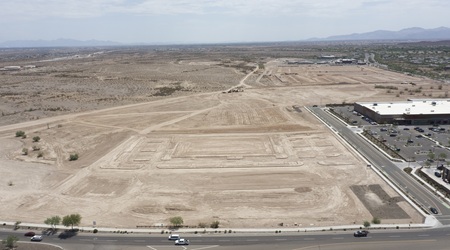
PEORIA, ARIZONA (July 23, 2026) – Phoenix-based retail brokerage specialist Western Retail Advisors (WRA) has completed the sale of 4.1 acres within FIVE NORTH at VISTANCIA from Vistancia Development LLC to Mountainside Fitness, bringing a major fitness operator to the award-winning, 7,100-acre Vistancia master-planned community in North Peoria, Arizona.
Totaling $3,013,808, the sale represents the first milestone for the commercial retail development planned for FIVE NORTH at VISTANCIA, the Vistancia community’s 320-acre mixed-use urban core envisioned to include a dynamic retail and restaurant corridor, along with a distinctive mix of employment, healthcare, education, residential, parks and open space.
“The Mountainside Fitness transaction signals a new wave of development momentum for FIVE NORTH at VISTANCIA,” said Mark Hammons, General Manager of Vistancia. “FIVE NORTH at VISTANCIA will bring community-centric, high-quality experiences directly to our residents’ doorsteps. Mountainside’s commitment moves us a step closer to that vision and plans to create an exceptional urban lifestyle destination that will elevate the daily lives of residents and serve as an anchor for future growth.”
Vistancia will become the 25th metro Phoenix location for Mountainside Fitness, a Scottsdale-based health club brand serving more than 150,000 members Valleywide. Slated to open in winter 2026, the 40,000-square-foot health club will offer state-of-the-art equipment, more than 70 daily group fitness classes and additional on-site amenities including high-end locker rooms and an elevated childcare program.
The Mountainside club will link to the larger FIVE NORTH at VISTANCIA development via a walkable and open plan designed to connect residents and visitors to unique and compelling lifestyle and living experiences.
WRA’s Charles Skaggs and Jake McClaughry represented Vistancia in the Mountainside Fitness land sale. JLL’s Regan Amato and Ryan Tanner represented Mountainside Fitness.
“Mountainside creates the kind of community connection that FIVE NORTH at VISTANCIA is designed to deliver,” said McClaughry. “As one of the first major operators to commit to the project, it also helps set the tone for a destination that has been years in the making, signaling that there is opportunity ahead for other quality brands looking to serve this high-performing demographic.”
FIVE NORTH at VISTANCIA benefits from a City of Peoria population of almost 65,500 residents within five miles, an average household income of $161,212 within one mile, and a city that has grown more than 20% since 2010 – in the process being named a #1 City to Live in Arizona by Money Magazine.
The project is located at Loop 303/Bob Stump Memorial Parkway at Lone Mountain Parkway. It is minutes from the Taiwan Semiconductor Manufacturing Co. (TSMC) in North Phoenix and the future Peoria Innovation Core, a major new technology employment hub anchored by Amkor. It is also proximate to leading recreational destinations including the City of Peoria’s Paloma Community Park, Lake Pleasant Regional Park and Peoria Sports Complex.
FIVE NORTH at VISTANCIA is part of the award-winning Vistancia master plan, offering five lifestyle communities, a 3.5 mile Discovery Trail, private community recreation centers with resort-style pools, two K-8 schools, parks, and two golf courses including the private Blackstone Country Club and daily fee Trilogy Golf Club – all with a backdrop of the White Peak and Twin Buttes mountains. For more information, visit www.vistancia.com or www.visitfivenorth.com
Wild Horse Advocates Call for Scientific Review Before Salt River Herd Removals
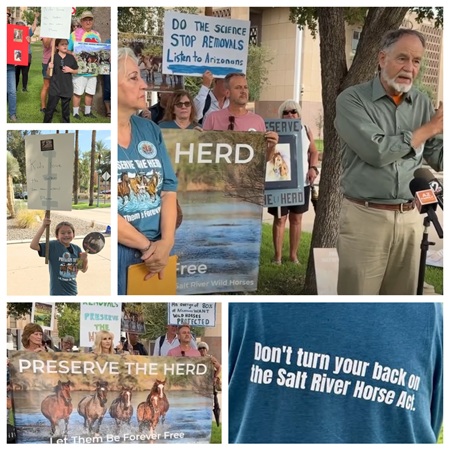
PHOENIX, Ariz. (July 23, 2026) — Approximately 100 wild horse advocates gathered at the Arizona State Capitol Wednesday morning, calling on Governor Katie Hobbs to pause planned removals of Salt River wild horses until an independent scientific review determines whether the remaining herd would be genetically healthy and self-sustaining.
The July 22 Preserve the Herd — Follow the Science Rally challenged an Arizona Department of Agriculture plan to reduce the herd from approximately 271 horses to between 120 and 125 by the end of 2030.
“Arizona should not remove a single healthy horse until the public is shown that the remaining herd will be genetically viable,” said Susie Bell of Friends of the Salt River Wild Horses.
Wildlife ecologist and author Craig C. Downer warned that a population target cannot be evaluated solely by counting horses. He said scientists must also consider the number of unrelated breeding animals, representation of family lines, age and sex distribution, foal recruitment and the continuing effects of fertility control.
Dr. E. Gus Cothran, a nationally recognized equine population geneticist and professor emeritus at Texas A&M University, has said populations of 150 to 200 horses are generally considered a minimum for protecting long-term genetic health, although herd viability depends on several factors.
The Salt River herd has already declined by more than 40% over the past five years, falling from approximately 450 horses to about 271 due to fertility control and natural attrition. Advocates contend the current program could reduce the population to approximately 165 to 168 horses within five years without permanent removals.
Public records have also raised questions about how the proposed population target was selected. Requested documents indicate the original recommendation of approximately 100 horses emerged from a straw poll rather than an independent population study. The number was later negotiated upward, but advocates say no independent scientific analysis supporting the final target has been released.
Representative Cody Reim, who attended the rally following his primary victory Tuesday, pledged to introduce new legislation requiring science-based protections for the herd.
“The Salt River Horse Act was never intended to justify removing these horses,” Reim said. “It was enacted to protect the herd and prevent exactly this from happening.”
The Salt River wild horses are a popular attraction for visitors, photographers and recreationists along the Lower Salt River. Advocates are asking Hobbs to pause permanent removals, release the data supporting the proposed population target, and commission independent genetic testing and a population viability analysis before the state proceeds.