Retail Development Begins Years Before Groundbreaking
TUCSON, Arizona (Oct. 8, 2026) — A shopping center may appear to spring to life when construction equipment arrives, but developers say groundbreaking follows years of planning, investment and negotiations that largely occur outside public view.
An October 7 article by Joe Gose in ICSC’s Commerce + Communities Today examines common misunderstandings about retail development, from construction timelines and tenant selection to what an empty storefront says about a property’s health.
Kean Thomas, senior vice president of development at Vestar, said preparation can take two to five years before construction begins. During that period, developers may invest millions of dollars in design, zoning approvals, engineering, legal work and other requirements while assembling leases and financing.
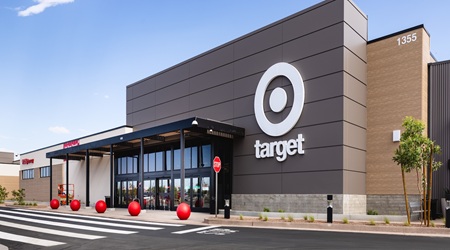
Vestar’s $275 million Verrado Marketplace in Buckeye illustrates the timeline. Preparation began in 2021 for the 500,000-square-foot shopping center. Target and several other businesses opened in May, with additional stores and restaurants continuing to open through 2026. When complete, the center is expected to include more than 55 retailers and businesses, along with a community green, performance stage and other public amenities.
Zoning approval is an important milestone, but it does not necessarily mean construction can begin immediately. Developers still must complete design and permitting, establish construction costs and secure enough tenant commitments to satisfy lenders and equity partners.
Financing and infrastructure can also change a project’s schedule. Higher borrowing costs may require developers to revise financial assumptions, while delayed utility improvements can postpone construction even when prospective tenants are ready to proceed.
In Victorville, California, NewMark Merrill pushed back the development timeline for Desert Sky Plaza II after a power line was delayed. The approximately 300,000-square-foot center’s planned tenants include Target, Ross Dress for Less and Burlington.
For Southern Arizona, the example highlights the importance of coordinating retail development with power, water, transportation and other infrastructure. A project’s readiness depends on both its approvals and the systems needed to serve it.
Developers interviewed by ICSC said early communication can help residents understand those dependencies. Trademark Property Co. meets with local officials and neighborhood groups before formal planning and zoning hearings, explaining proposals and seeking input on features such as parks and gathering spaces.
That outreach also creates an opportunity to explain which retailers a community can realistically attract. Residents may envision upscale department stores or popular restaurants, but tenant decisions depend on population, household spending, customer demand and the maturity of the surrounding trade area.
A new shopping center serving an emerging community may support a different mix of businesses than an established urban location. Developers must balance residents’ preferences with retailers’ requirements and the economics of the project.
The same considerations apply when replacing a tenant. Finding a business willing to lease space is only part of the process. Owners also evaluate the space’s size, the surrounding customer base and how a prospective tenant complements the center’s other businesses and long-term direction.
Justin Stein, executive vice president and chief revenue officer at Tanger, cautioned against treating an isolated vacancy as evidence that an entire property or retail market is struggling. A center’s performance also reflects ownership strategy, investment, merchandising and consumer demand.
Renovations and changes in use can be part of that strategy. Tanger is renovating a 555,000-square-foot property in Foley, Alabama, with plans for additional green space, walkable breezeways, food and beverage offerings and shaded seating.
For Tucson’s retail market, the article offers a useful reminder that development should be evaluated across its full timeline. Announcements, zoning approvals, financing, construction and store openings represent different stages, each with its own requirements.
Clear explanations of those stages can give residents more realistic expectations and help developers build trust. They can also help communities assess proposed projects based on their design, infrastructure needs and market potential.
Source: “What Consumers Misunderstand About Retail Development,” by Joe Gose, Commerce + Communities Today, ICSC, October 7, 2026.