U of A considers sale of 88-Acre Al-Marah Equine Center as programs shift closer to campus
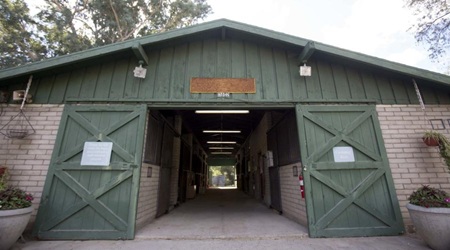
TUCSON, Ariz. (February 27, 2026) — The University of Arizona is preparing to consolidate its equine programs at the university’s Campus Agricultural Center near Campbell Avenue and Roger Road. The move could lead to the sale of the Al Marah Equine Center on Tucson’s Eastside after more than a decade of student instruction and hands-on learning at the ranch.
University leaders said Jan. 15, 2026, that they plan to bring equine teaching, research, animal care, and staffing into one more accessible setting. They argue the shift will improve consistency in daily animal care, reduce operational complexity, and make it easier for students and faculty to participate without relying on carpools or long commutes.
Al Marah is an approximately 88-acre working ranch at 4101 N Bear Canyon Rd. It was originally built to breed, train, and market Al Marah Arabian horses. The property was left to the university after the death of philanthropist and horse breeder Ruth “Bazy” Tankersley in 2013, and the University of Arizona officially acquired it in 2015. In the context of Al-Marah as the name of the Arabian horse ranch (Bazy Tankersley’s program), it’s described as an Arabic word meaning “oasis.”
The university has not formally listed the ranch for sale, but confirmed it is exploring a sale as part of the transition.
The center’s role has extended beyond general equine programming. University materials describe Al Marah as a site that supports instruction and hands-on learning for UA students, and the university has used it to house horses for university departments and academic programs involved in equine education. The Veterinary Science program has also referenced Al Marah as a place where students take equine-related classes, which is one reason some faculty view the facility as part of UA’s broader animal and veterinary education ecosystem. At the same time, the university has framed the Campus Agricultural Center as a long-term hub for integrating equine programs with campus-based resources and staffing.
For some faculty and students, the possible sale feels like more than an administrative decision. It represents the loss of a specialized learning environment that is difficult to replicate. KGUN 9 profiled Laura Miller, a University of Arizona math and engineering professor who incorporates horses into applied coursework, connecting students to biomechanics, measurement, and real-world problem solving through equine-focused projects. Miller told the station she has built a unique classroom in the barn and has relied heavily on volunteers, including those who donate horses and time, because her department does not have a traditional funding source for equine work.
The transition also raises immediate logistical questions. Miller said her program expects to relocate after the spring semester and is working to place and move horses. There are currently about 30 horses at the Al Marah facility. Miller also acknowledged that transportation has long been a barrier for students traveling to the Eastside ranch, where limited transit options often require cars or carpools. The university says the campus-adjacent agricultural center can help address that access challenge while bringing animal care and staffing under a more centralized structure.
University officials emphasized that any proceeds from a future sale would be placed into a dedicated fund honoring Tankersley’s commitment to equine education, framing the move as a restructuring rather than a retreat from equine instruction.
The shift comes at a time when the broader equine sector is increasingly viewed not only as a sport and an agricultural sector but also as a meaningful economic driver. The American Horse Council’s 2023 national economic impact findings estimate that the horse industry added $177 billion to the U.S. economy, supporting industries ranging from veterinary services and tourism to technology and agriculture.
For now, the timeline follows the academic calendar. Programs are expected to relocate after the spring semester, and the ranch’s long-term future will depend on the university’s next steps toward listing and marketing the property, as well as how the university defines Al Marah’s legacy role in hands-on equine education once operations shift to the Campus Agricultural Center.
Next steps:
Information sessions will be held to share more details about the transition and provide an opportunity for CALES faculty, staff, and program users to contribute their input.