


By Keith Pomonis
(April 7, 2026) -- In Arizona, the window for spring maintenance is famously short. Before the first triple-digit day hits, commercial property managers have a narrow opportunity to fortify their buildings against the relentless desert sun.
A proactive approach this month isn't just about curb appeal; it’s about ensuring your operating budget doesn’t evaporate when the heat peaks.
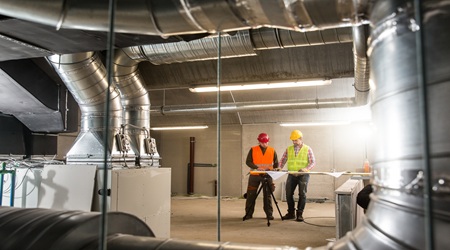
The absolute priority for any Arizona facility is the HVAC system. In this climate, air conditioning isn't a luxury;07 it’s a life-safety requirement. Now is the time to bring in a technician to go beyond a simple filter swap.
You need a deep cleaning of the condenser coils to remove the fine desert dust that acts like an insulating blanket, forcing motors to work twice as hard. Checking refrigerant levels and recalibrating thermostats now prevents the dreaded "emergency call-out" in July when every repair crew is booked three weeks out.
While the cooling system takes center stage, the building envelope is your first line of defense. Arizona’s intense UV radiation is incredibly destructive to sealants and roofing membranes. Walk the perimeter to check for brittle caulking around windows and expansion joints. If you can feel heat bleeding through a seal in April, that gap will become a massive energy drain by June.
A quick roof inspection to clear debris and check for sun-scorched, brittle patches or surface cracking can save you from a catastrophic leak when the first heavy monsoon rains finally hit. Don't overlook your water infrastructure. If your property features desert landscaping, your irrigation system has likely been dialed back for months. As the plants wake up, run a full zone-by-zone test.
Plastic emitters in Arizona become brittle and snap easily; a single broken line can waste thousands of gallons of water before it's even noticed on a utility bill. Adjusting your timers now to water during the pre-dawn hours will also minimize evaporation losses as humidity drops.
Finally, take a moment to walk your parking lots and walkways. The shift from cool nights to blistering days causes asphalt to expand and contract, often worsening existing cracks. Filling these gaps now prevents them from becoming potholes that pose liability issues for tenants and visitors.
By tackling these “big four” areas, cooling, sealing, irrigation, and pavement, you transition your property from a reactive state to a predictive one. It’s the difference between a smooth, profitable summer and one spent managing crisis after crisis in the heat.
 Keith Pomonis is the President of Mesa-based EHS Restoration. For more information, call (480) 306-5777 or visit ehsrestoration.com.