


 By Keith Pomonis
(February 2, 2026) -- As spring approaches in Arizona, commercial property managers face the unique challenge of preparing their properties for the seasonal changes that can impact both the infrastructure and tenant experience. With the potential for rapid temperature fluctuations and the onset of the monsoon season, early preparation is crucial to safeguard properties, ensure tenant satisfaction, and optimize performance.
1. Conduct Comprehensive Inspections
The first step in spring preparation is to conduct thorough inspections of the property. Focus on the roof, HVAC systems, plumbing, and landscaping. Inspect roofs for wear and tear, checking for damaged shingles or signs of leaks. HVAC systems should be serviced to ensure optimal performance as temperatures rise. This not only enhances energy efficiency but also maintains indoor air quality for tenants.
2. Landscape Maintenance
Arizona's unique climate demands ongoing landscape care, especially as spring brings blooming plants and increased growth. Property managers should assess irrigation systems to ensure they are functioning correctly and efficiently. Regularly check for blockages or leaks in irrigation lines that could lead to water waste and increased utility costs.
Trimming overgrown bushes and trees is also essential to prevent damage during monsoon storms. Ensuring that trees are properly maintained minimizes the risk of falling branches, which can cause significant damage to buildings and vehicles.
3. Prepare for Monsoon Season
With spring setting the stage for the impending monsoon season, it’s crucial for commercial property managers to proactively prepare for potential flooding and storm damage. Inspect drainage systems, including gutters, downspouts, and retention basins, to ensure they are clear of debris and functioning optimally.
Consider implementing a flood preparedness plan, which includes emergency contact information for restoration services and a clear protocol for informing tenants about safety measures during storms. Investing in flood barriers or sandbags can also be a prudent measure for properties in low-lying areas.
4. Tenant Communication and Engagement
Effective communication with tenants is key during this transitional period. Schedule meetings or send out newsletters to inform them about upcoming maintenance work,
property improvements, and safety measures related to severe weather. Providing tenants with information on how to prepare for monsoon season can empower them to take responsibility for their spaces, fostering a collaborative environment.
Engaging with tenants to gather feedback on their experiences can also help identify areas for improvement. Consider setting up a suggestion box or digital survey to encourage open communication.
5. Safety and Compliance
Spring is an excellent time to review safety protocols and compliance with local regulations. Ensure that fire safety equipment is inspected and compliant, and that emergency exits are clearly marked and accessible. Review your property’s emergency response plan, providing training for staff on procedures in the event of a storm or other emergencies.
As spring blooms in Arizona, proactive preparation is essential for commercial property managers to minimize risks and enhance tenant satisfaction. These actions not only protect the property but also contribute to a positive tenant experience, ultimately supporting the long-term value of the commercial asset. In a competitive real estate market, diligence and foresight are invaluable in achieving operational success.
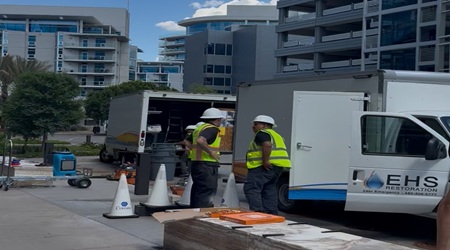
Keith Pomonis is the President of Mesa-based EHS Restoration. For more information, call (480) 306-5777 or visit ehsrestoration.com.