


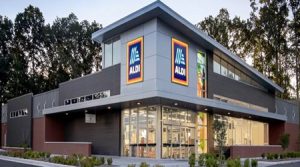
 TUCSON, AZ (April 15, 2024) -- The speculation is over that ALDI Supermarket will be coming to Tucson Marketplace at the Bridges. ALDI purchased 2.05 acres of land at 871 E Tucson Marketplace for $2.2 million ($24.64 PSF) to construct a 20,870-square-foot store.
The transaction closed on April 9, 2024, with permits submitted in November 2023.
This is ALDI's first land purchase in Tucson MSA. The company already operates stores in Phoenix, Goodyear, Chandler, Gilbert, and Queen Creek in the state.
The Tucson location is part of what ALDI calls an "aggressive national expansion" over the past year. ALDI runs more than 2,362 stores in 39 states and 1,619 cities and aims to be the third-highest number of stores among grocery chains in the U.S., with plans to open 800 new stores by 2029. In 2023, ALDI committed to opening 120 new locations across the nation.
The German grocery chain’s business model offers shoppers the best products at the lowest possible prices. It will join Dave & Buster’s, Cinemark Theaters, Costco, Walmart, and 22 other retailers at Tucson Marketplace at the Bridges.
Tucson shoppers might not be used to some of the strategies ALDI uses to keep prices low.
They include:
- Shoppers must put a quarter into a shopping cart to unlock it. This means that ALDI doesn’t need to hire employees to gather loose carts. Shoppers get their quarter back when they return their cart.
- ALDI doesn't supply single-use plastic bags. Shoppers are encouraged to bring their reusable bags, which can be purchased at the checkout for those who forget.
- ALDI stores have a much smaller footprint than traditional grocery stores, with 12,000 square feet of retail space.
- Around 90 percent of products sold at ALDI are brands exclusive to the retailer. ALDI guarantees its products are as good as or better than national brands.
Aldi offers customers a much smaller selection of groceries than other grocery stores. For example, while many other stores offer around 40,000 items, Aldi usually has under 2,000. Most Aldi locations have just five aisles for customers to peruse. While you can count on getting the essentials here and a few other specialty products, you won't find too much variety of what's in stock. While this might mean less to look at, Aldi also needs smaller stores, which means lower rent and utility costs. Lower costs for this corporation mean it can pass lower prices onto its customers, and that's precisely how it works.
With rising grocery prices, inflation, and an increasing desire to eat healthier, ALDI’s entrance into the Tucson market has been met with enthusiasm by consumers who appreciate the chain’s unique, no-frills approach to grocery shopping.
As Aldi continues to make waves in the US grocery industry, consumers across the Southwest can expect to see the brand’s signature blue and orange logo popping up in more locations.
The seller was BP Bridge Partners, an affiliate of Bourn Properties, represented by Alan Tanner with Bourn Advisory Services. Ben Vesper, Arizona's ALDI in-house real estate contact, handled the transaction.
To learn more, see RED Comp #11239.